
Tall Tales Storytelling: Narration and Pantomime
Integrating Theater Arts: Narration and Pantomime
2nd Grade • English Language Arts (ELA) & Theater
Lesson Overview: This lesson details a collaborative arts integration project between a classroom teacher and a teaching artist, focusing on theatrical storytelling. Students refine scripts with narration and pantomime, aiming for cohesive performances, specifically using tall tales and fairy tales.
Learning Objectives | Students Will:
Showcase the sneak previews to an audience.
Reflect on the learning journey and the skills developed throughout the project.
Celebrate the achievements and progress made by all students.
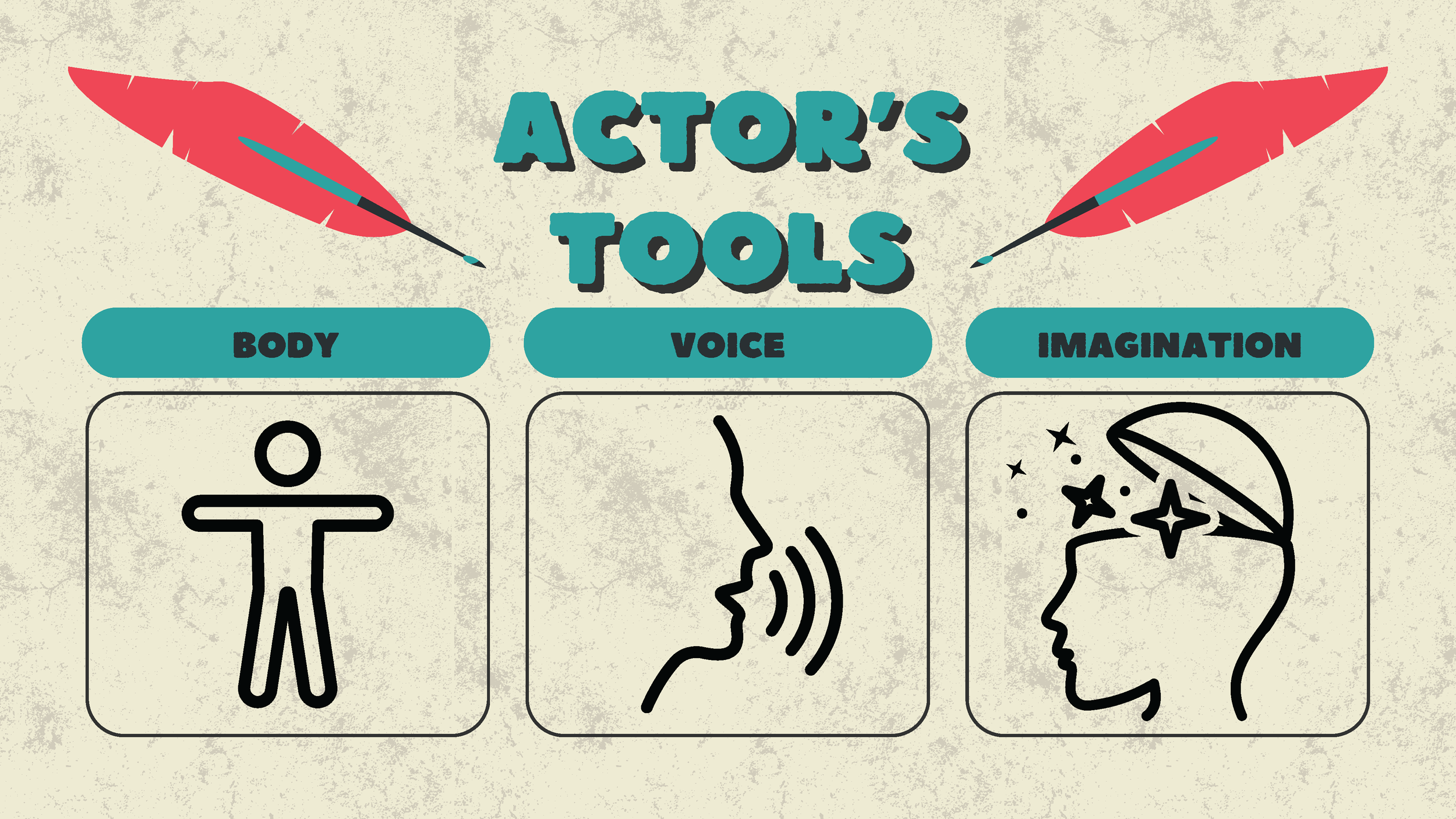
Lesson Process: This lesson explores the interplay between storytelling and narrative through pantomime and narration techniques. Students discover how to express emotions, actions, and character traits using only their bodies, learning the power of gestures and facial expressions to convey meaning without words through pantomime. They bridge pantomime with narration, practicing how to enhance their spoken stories with purposeful movement. Through guided exercises, the teacher and teaching artist helping students understand how pantomime and narration techniques can work together to create engaging and dynamic performances. This dual approach strengthens students' communication skills while building their confidence in both physical expression and verbal storytelling.
Overall Significance: Students incorporate theatrical elements to enhance storytelling and Practice integrating pantomime with narration. This carefully designed lesson integrates the arts into state curriculum standards through a co-teaching residency with a classroom teacher and teaching artist. This approach combines critical thinking with creative expression, ensuring that every student can develop knowledge acquisition and engage with the material in meaningful ways. By integrating academic goals with artistic exploration, the lesson creates an engaging learning environment that supports all students’ learning styles while maintaining rigorous educational standards.
Time Required:
1 hour and 20 minutes
Materials List:
Tall Tale Script
Fairy Tale Script
Performance Breakdown
Assessment :
Student progress is assessed through observation of participation and engagement in activities, reviewing partial story spines incorporating specific vocabulary, and observing how students construct their understanding. The content teacher assesses partial story spine, incorporation of vocabulary, and participation. The teaching artist will assess students' participation and engagement in all activities, noticing how they construct their understanding.
Partial Story Spine (Fairy Tale or Tall Tail), incorporation of specific vocabulary from the Performance Breakdown sheet, and observation of participation.

Lesson
Activities & Instructions
The Activities & Instructions section provides a structured sequence of learning experiences, guiding educators through engaging, interactive lessons.
Lesson Activities
-
Greet students and recap the progress made on their sneak preview scripts.
Refine scripts by adding narration and pantomime.
Practice integrating these elements to create a cohesive performance.
-
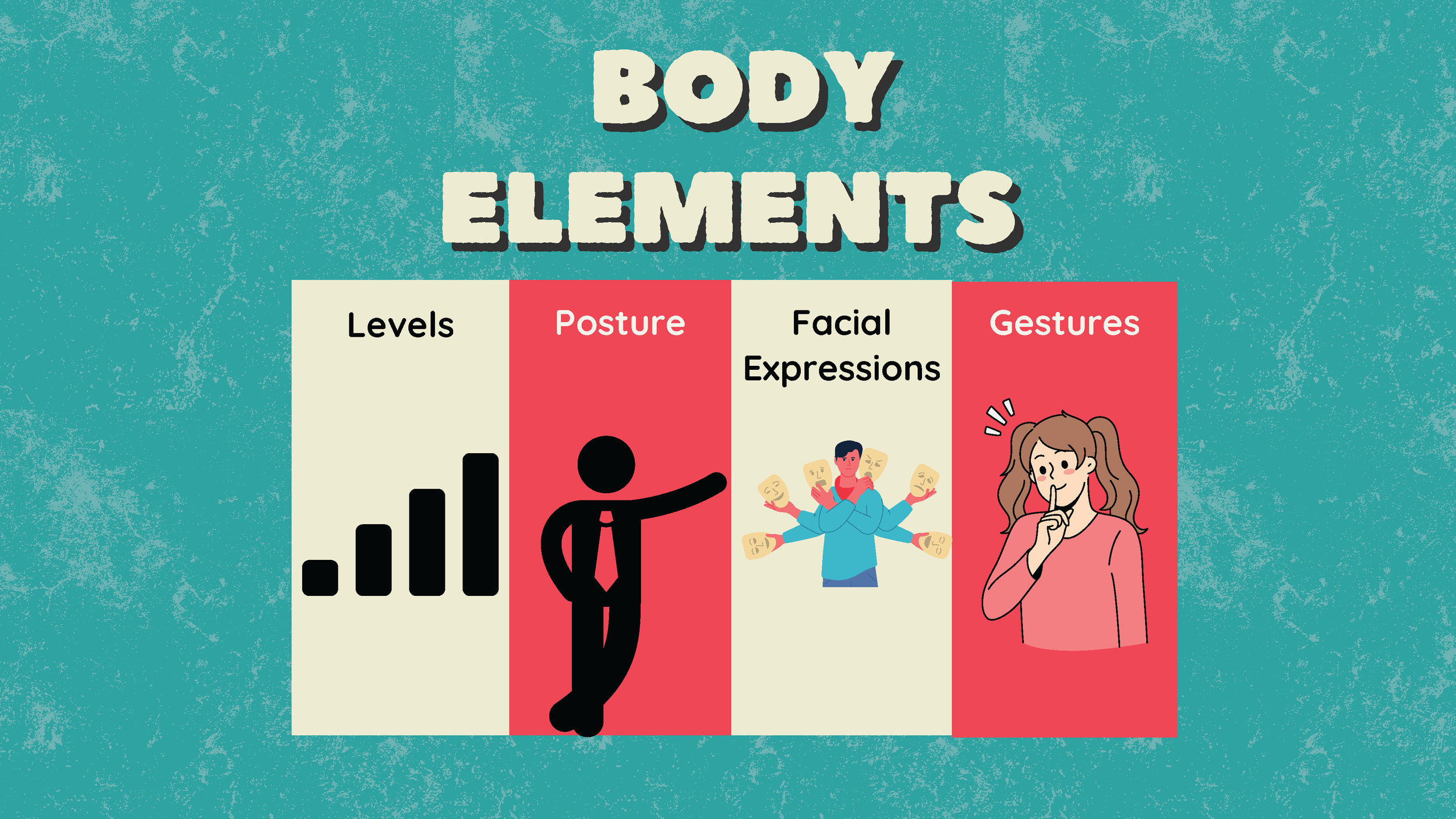
Lead students through exercises that focus on using body language and gestures to convey meaning without words, followed by vocal exercises to combine with their pantomime.
Pantomime Exercise: Students silently act out various emotions or actions (e.g., opening a heavy door, feeling the wind on their face) to build their physical storytelling skills.
Narration Exercise: Students then add a narrative element to their pantomime, practicing how to match their words with their physical movements.
-
Using the Performance Breakdown sheet, give students the task of assigning narrators and actors to each performance.
-
In their groups, students continue developing their sneak preview scripts, focusing on how to effectively integrate narration and pantomime after they decided on roles.
Students should revisit their scripts, identifying key moments where pantomime can enhance the narration.
Encourage groups to experiment with different ways to synchronize their words and actions.
Teaching artists and teachers provide feedback and suggestions for improvement.
-
Groups rehearse their sneak previews, focusing on the smooth integration of narration and pantomime.
Groups practice their scenes, ensuring that their movements and words are well-coordinated.
The teaching artist and classroom teacher observe and offer targeted feedback to help students refine their performances.
-
Recap the day’s activities, highlighting the progress made in script development and performance practice.
Next steps: Inform students that they will be refining and rehearsing their sneak previews in the next lesson.
Reflection: Students share one challenge they faced while integrating narration and pantomime and how they overcame it.
Resources: Copies of the latest script drafts, open space for rehearsals.
NATIONAL CORE ARTS STANDARDS
-
Anchor Standard 1
Generate and conceptualize artistic ideas and work.Anchor Standard 2
Organize and develop artistic ideas and work. -
Anchor Standard 5
Develop and refine artistic work for presentation.Anchor Standard 6
Convey meaning through the presentation of artistic work.
FLORIDA
STATE STANDARDS
-
TH.2.S.3.1: Create imagined characters, relationships, and environments using basic acting skills.
TH.2.S.2.1: Collaborate with others to perform a scene and solve challenges.
-
ELA.2.V.1.1: Use grade-level academic vocabulary appropriately in speaking and writing.
ELA.2.C.2.1: Present information orally using complete sentences, appropriate volume, and clear pronunciation.
ELA.2.R.1.1: Identify plot structure and describe main story elements (setting: time & place, characters: traits, feelings & behaviors, and sequence) in a literary text.
ELA.2.R.1.2: Identify and explain a theme of a literary text.
Success Criteria
Students successfully present their sneak previews to an audience, demonstrating clarity, expression, and confidence.
Students engage in reflective discussions, articulating what they learned and how they grew during the project.
Students participate in the celebration of their and their peers' achievements, recognizing their efforts and progress.
Key Themes & Ideas:
Pantomime and Narration: The core academic goal is for students to enhance student understanding and engagement.
Example: "Incorporate theatrical elements to enhance storytelling. Practice integrating pantomime with narration."
Arts Integration: The central theme is the purposeful integration of theater arts (pantomime and narration) with Language Arts curriculum (tall tales/fairy tales).
Focus on Pantomime and Narration: The two key learning objectives are for students to incorporate theatrical elements to enhance storytelling and to practice integrating pantomime with narration. These objectives aim to improve students' communication and performance skills through arts integration.
Connections and Team Building: Students refine scripts by adding narration and pantomime and practice integrating these elements to create a cohesive performance by constructing their understanding by making connections between the tall tales and their backgrounds and/or experiences.
Accessibility: The lesson encourages student participation, collaboration, and self-expression. It also aims to amplify the student voice. It includes accommodations for English Language Learners (ELLs) and Exceptional Student Education (ESE) students, demonstrating a commitment to meeting diverse learning needs. Modeling and visuals are key strategies. "ELL: Spanish translation provided by the teaching artist. ESE: Visuals and individual support will be provided. ACCESSIBILITY: Modeling and Visuals will be offered"
Collaborative Teaching: The lesson is co-planned and co-taught by a classroom teacher and a teaching artist, highlighting the value of shared expertise, suggesting a strong commitment to aligned teaching practices.
Content Teacher Themes & Ideas:
Guided Practice: Students are prompted to make connections to the vocabulary as they finish working on their Tall Tale or Fairy Tale Scripts.
Teaching Artist Themes & Ideas:
Modeling - Demonstrate Exaggeration: Help students understand how to make their performances larger than life.
Modeling Side Coaching: Guide observation by prompting students to notice body language and exaggerated movements.
– REACH –
Thank you to our Educators, Artists, and Collaborators.
School: Rowlett Elementary
Teacher: Theresa Kauffman
Teaching Artist: Maria Schaedler-Luera
Arts Organization: Atomica Arts
-
Resource 1: link