“Narrative Challenge” Using Arts Integration
Storytelling and Gamification
6th Through 8th Grade • English Language Arts (ELA) & Media Arts
Lesson Overview: This lesson plan focuses on "The Narrative Challenge," a gamified arts-integrated unit for ELA students designed to develop their understanding of narrative storytelling. Students work in teams to create character profiles through writing and visual collage, develop storyboards that include setting, plot, conflict, and resolution, and articulate the themes of their stories while earning points in a competitive format. The two-week lesson incorporates Michigan state standards for narrative writing and employs multiple teaching strategies that acknowledge diverse learning styles and student backgrounds. Through creative arts integration, the plan aims to amplify student voices and foster engagement while teaching essential narrative writing skills in an interactive, collaborative environment.
Learning Objectives:
Demonstrate an understanding of what is a "narrative".
Demonstrate an understanding of narrative as storytelling by using collage and storyboarding to create a character and develop a story that includes setting, plot, conflict, and resolution.
Demonstrate an understanding of theme by identifying and articulating the theme of their story.
Lesson Process: This arts-integrated lesson plan presents "The Narrative Challenge," where students explore storytelling through a gamified team competition. The lesson accomplishes its goals through a structured, collaborative approach between the classroom teacher and teaching artist. The classroom teacher introduces narrative concepts while the teaching artist expands on storytelling elements like character, setting, plot, conflict, resolution, and theme. Students then engage in hands-on activities where they create character profiles through written sketches and visual collages, followed by storyboard development to map their narratives. The gamification aspect motivates students as they earn points for creativity and narrative coherence. This multi-modal approach accommodates different learning styles and celebrates varied student perspectives while building essential narrative writing skills.
Time Required:
60 Minutes
Materials List:
Art supplies
Assessment :
Participation and demonstration of understanding of narrative elements through the created character profiles and storyboards.


Lesson
Activities & Instructions
The Activities & Instructions section provides a structured sequence of learning experiences, guiding educators through engaging, interactive lessons.
Lesson Activities
-
Classroom teachers introduce the idea of narrative.
Writing prompts based on self-exploration, “who I am” theme, and character exploration.
-
The teaching artist will expand the discussion on narrative by introducing students to the key elements of storytelling: character, setting, plot, conflict, resolution, and theme.
This process will then be gamified through "The Narrative Challenge," where students work in teams to complete various tasks, earn points as the top-scoring team.
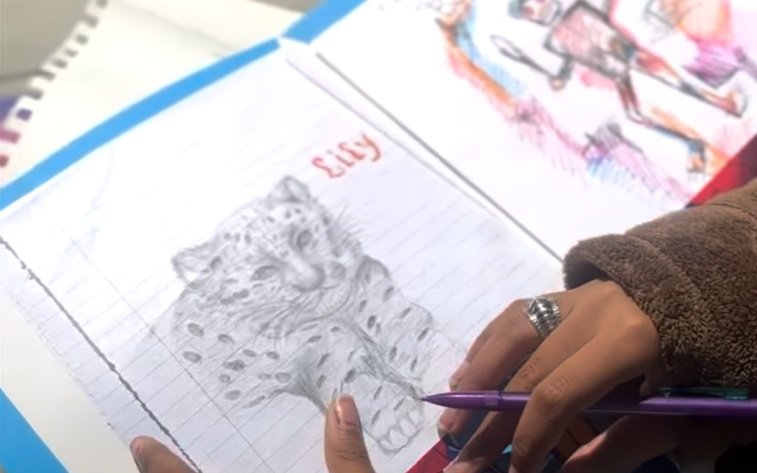
The first task is for each team to create a character profile by developing a detailed character sketch of their narrative’s protagonist or antagonist, including identifiers such as name, age, interests, hobbies, and personality traits. After writing the character sketch, teams will create a visual collage to further bring their character to life. Points will be awarded based on the creativity and depth of both the written sketch and the visual collage.
Once the character profiles are completed, teams will use storyboards to map out the beginning, middle, and end of their character’s story. This section will also be part of the competition, with points awarded for the coherence and creativity of the narrative structure.
-
The teacher will support the “Narrative Challenge” by serving as a judge, along with the teaching artist, to determine the winning teams in each part of the challenge.
Students work through characterization in groups by finding different aspects of their character from magazines followed by cutting them out, pasting them on paper, and telling the story from there.
-

NATIONAL CORE ARTS STANDARDS
-
Anchor Standard 1
Generate and conceptualize artistic ideas and work.Anchor Standard 2
Organize and develop artistic ideas and work. -
Anchor Standard 5
Develop and refine artistic work for presentation.Anchor Standard 6
Convey meaning through the presentation of artistic work. -
Anchor Standard 10
Synthesize and relate knowledge and personal experiences to make art.
MICHIGAN
STATE STANDARDS
-
W.11-12.3: Write narratives to develop real or imagined experiences or events using effective techniques, well-chosen details, and well-structured event sequences.
W.11-12.4: Produce clear and coherent writing in which the development, organization, and style are appropriate to the task, purpose, and audience.
W.11-12.5: Develop and strengthen writing as needed by planning, revising, editing, rewriting, or trying a new approach, focusing on addressing what is most significant for a specific purpose and audience.
Key Themes & Ideas
Narrative Development through Arts Integration: The core objective is to teach narrative writing by using art forms like collage and storyboarding. The integration of art serves to make the learning experience more engaging and caters to varied learning styles. As stated in the lesson plan, the lesson utilizes "creative methods like storytelling, collage, and performance, which allow students to express themselves in a variety of forms, catering to different learning styles and artistic expressions."
"Narrative Challenge" Gamification: The entire lesson is structured as a competition ("Narrative Challenge") where teams earn points for completing tasks related to character profile creation (written sketch and visual collage) and storyboard development. This gamification aims to boost student engagement and motivation.
Student Voice and Collaborative Learning: A central theme is amplifying student voice and valuing individual creativity and expression. The lesson promotes a collaborative learning environment where students share perspectives and learn from each other. The lesson plan specifies that "students learn to appreciate their peers' experiences, and their voices are elevated as central to the learning experience, promoting a more engaging educational environment" and "Promoting group work, such as team challenges, that allow students to share their viewpoints and learn from each other’s creative expressions."
Multi-Tiered Systems of Support (MTSS) and Universal Design for Learning (UDL): The plan incorporates MTSS and UDL principles to ensure accessibility and cater to all learners. MTSS emphasizes early intervention and data-driven decision-making to meet the academic and behavioral needs of all students. UDL aims to create an inclusive learning environment by providing flexibility in use, simple and intuitive design, perceptible information, tolerance for error, low physical effort, and appropriate size and space.
Teacher and Teaching Artist Collaboration: The lesson explicitly defines the roles of both the classroom teacher and the teaching artist. The teacher introduces narrative concepts, while the teaching artist expands on those concepts and guides the art-based activities. Both collaborate on assessment and judging the "Narrative Challenge."
Success Criteria:
Students will demonstrate an understanding of what is a "narrative".
Students will demonstrate an understanding of narrative as storytelling by using collage and storyboarding to create a character and develop a story that includes setting, plot, conflict, and resolution.
Students will demonstrate an understanding of the theme by identifying and articulating the theme of their story.
The entire process will be gamified as the "Narrative Challenge," where students work in teams to complete tasks, and earn points along the way.
Overall Significance
The overall significance of this lesson plan lies in its innovative integration of visual arts and narrative writing through a gamified learning approach that makes abstract literary concepts tangible and engaging. By combining creative collage work with structured storytelling elements, the curriculum bridges multiple learning styles and provides diverse entry points for student success, particularly beneficial for those who might struggle with traditional writing instruction alone. The collaborative team structure fosters personal growth alongside academic development, enabling students to build confidence through peer interaction while developing essential communication and critical thinking skills. This arts-integrated approach exemplifies how curriculum can simultaneously address state educational standards while honoring student voices and varied perspectives, creating meaningful connections between academic content and creative expression. The lesson's framework ultimately demonstrates how gamification and arts integration can transform standard ELA content into a dynamic, student-centered experience that prepares learners for both academic achievement and real-world communication challenges.
– REACH –
Thank you to our Educators, Artists, and Collaborators.
School: Art In Motion
Teacher: Nancy Burkhardt
Teaching Artist: Natasha Thomas
-
Resource 1: link